Cognitive Behavioral Therapy for Insomnia: A Comprehensive Guide
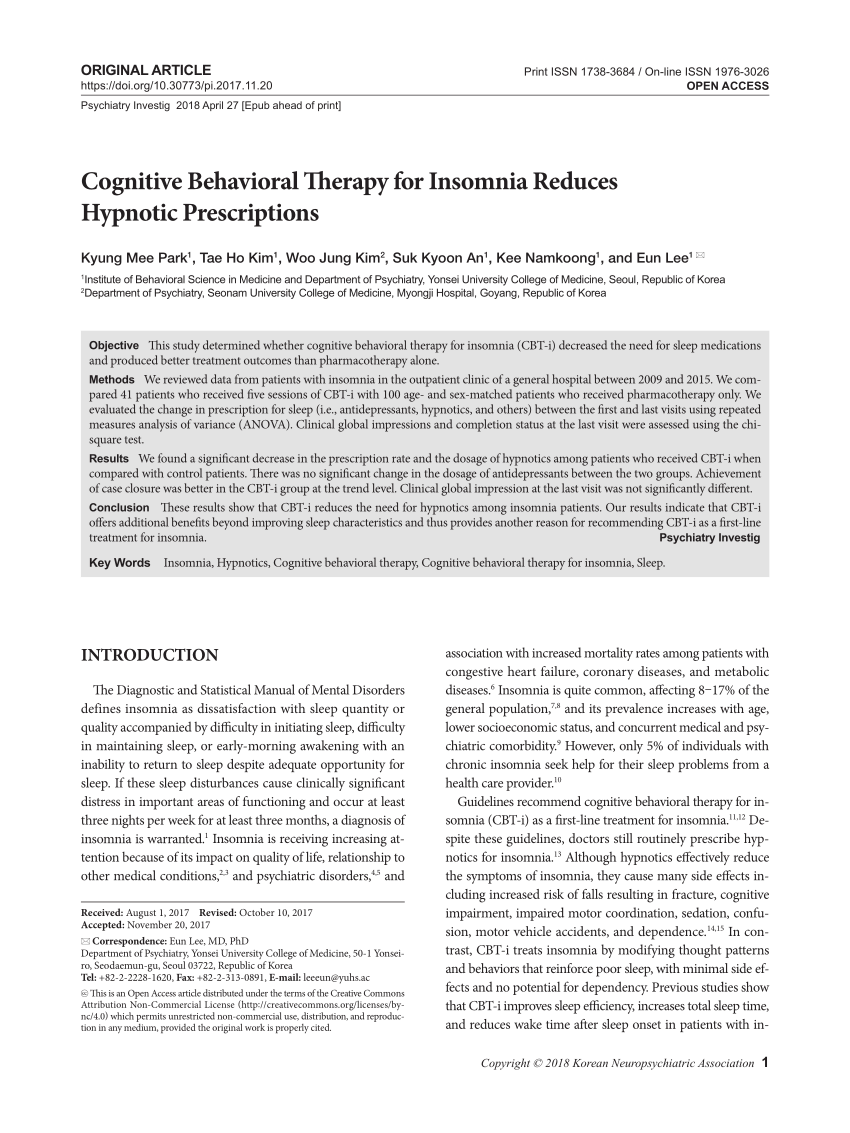
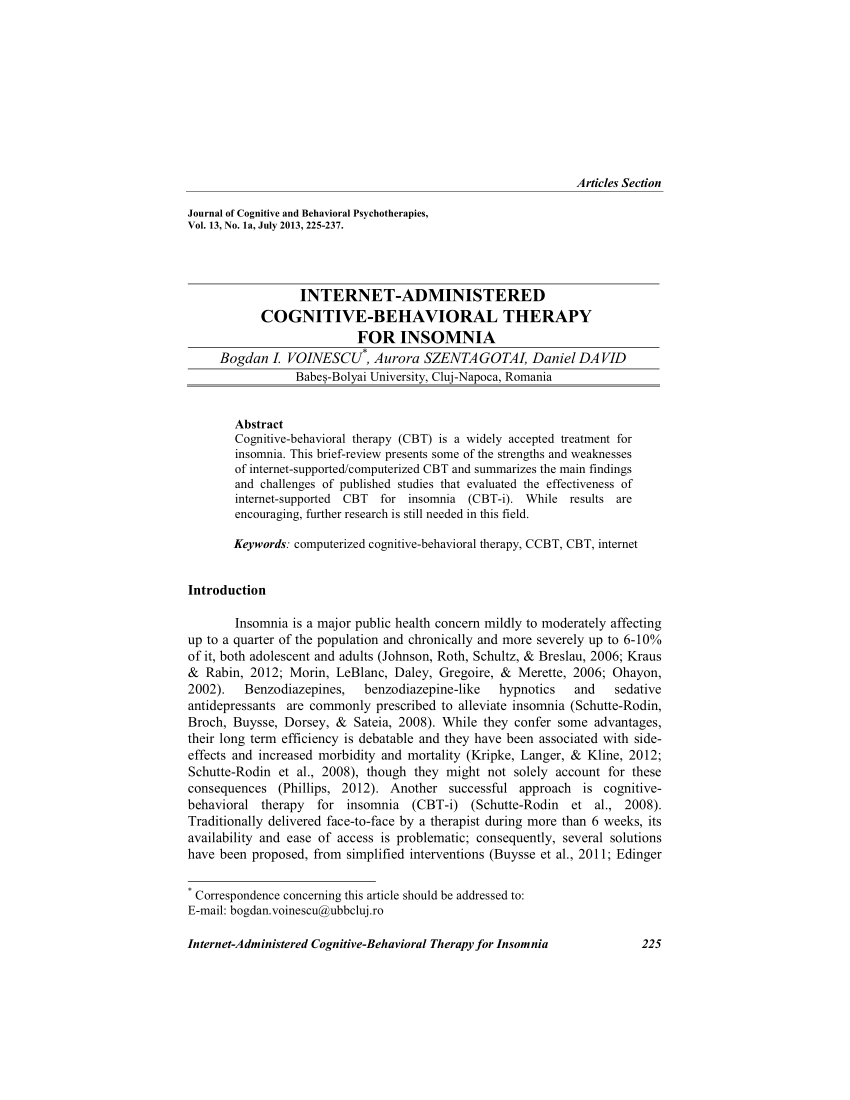
Cognitive Behavioral Therapy for Insomnia (CBT-I) is a highly effective, first-line treatment for chronic insomnia. This article provides an in-depth look at the principles, benefits, and implementation of CBT-I, as well as its potential applications and outcomes.
What is Cognitive Behavioral Therapy for Insomnia?
How Does CBT-I Work?
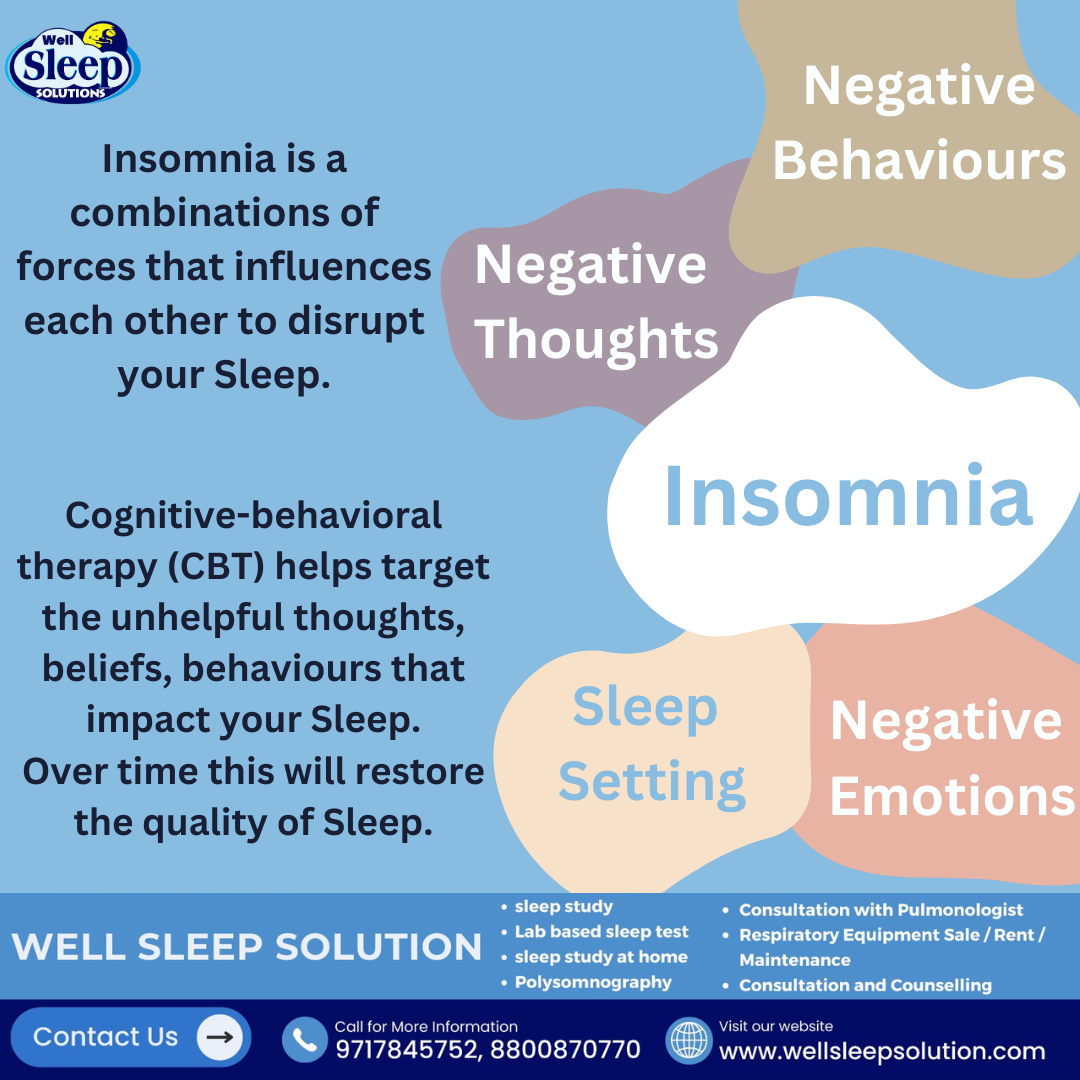
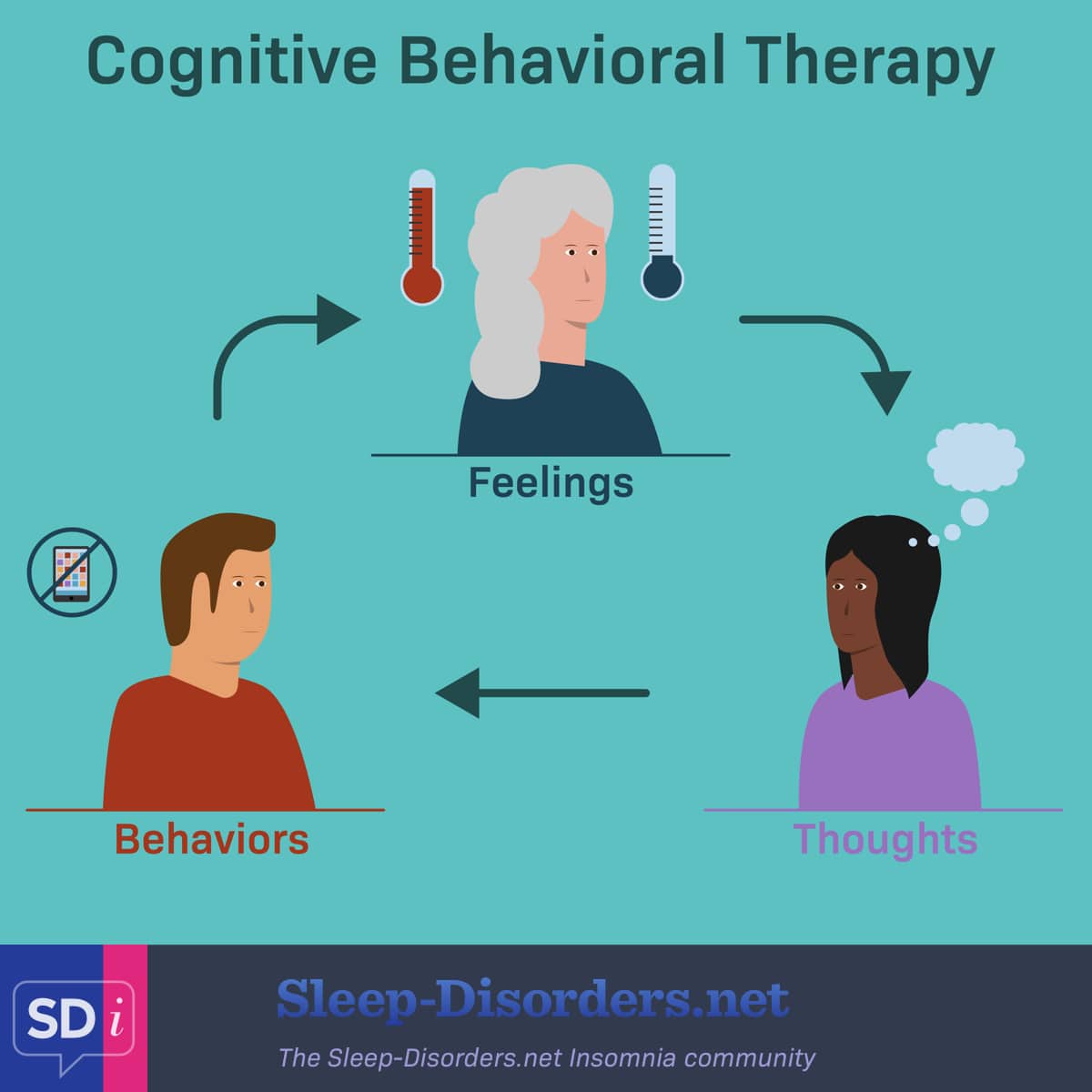
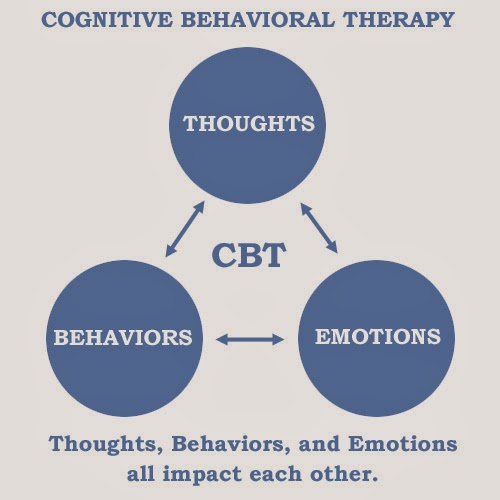
The cognitive behavioral approach is based on the idea that insomnia is maintained by an interaction of cognitive and behavioral factors. CBT-I aims to challenge and modify these factors through a combination of cognitive restructuring, sleep restriction, and sleep hygiene techniques.
Key Components of CBT-I
- Stimulus Control: This involves changing the sleep environment to promote relaxation and eliminate sleep-inhibiting stimuli.
- Sleep Restriction: This involves limiting the amount of time spent in bed to increase the drive to sleep.
- Cognitive Restructuring: This involves identifying and challenging negative sleep-related thoughts and replacing them with more constructive ones.
- Relaxation Techniques: These include techniques such as progressive muscle relaxation, deep breathing, and visualization to reduce stress and anxiety.
- Sleep Hygiene: This involves establishing good sleep habits, such as maintaining a consistent sleep schedule, avoiding caffeine and nicotine before bedtime, and creating a relaxing sleep environment.
Benefits of CBT-I
CBT-I has been shown to be highly effective in reducing symptoms of insomnia and improving sleep quality. The benefits of CBT-I include:
- Improved sleep quality and duration
- Reduced symptoms of anxiety and depression
- Increased self-efficacy and confidence in managing sleep
- Long-term sustainability of sleep improvements
Implementation and Outcomes
The outcomes of CBT-I are impressive, with meta-analytic studies showing that it is as effective as sleep medications and has a high rate of remission. CBT-I has also been shown to be cost-effective and sustainable, with improvements in sleep quality and symptoms of anxiety and depression persisting over time.
Conclusion
Cognitive Behavioral Therapy for Insomnia is a proven, highly effective treatment for chronic insomnia. By targeting the root causes of insomnia and teaching individuals new coping skills and strategies, CBT-I can improve sleep quality, reduce symptoms of anxiety and depression, and increase self-efficacy and confidence. For those struggling with insomnia, CBT-I is a powerful and sustainable solution that can help individuals regain control over their sleep and improve their overall well-being.
References
The references used in this article are available upon request.
How Does CBT-I Work?
The cognitive behavioral approach of CBT-I is based on the idea that insomnia is maintained by an interaction of cognitive and behavioral factors. The therapist will work with the individual to identify the factors that contribute to their insomnia and develop strategies to address them. CBT-I aims to challenge and modify the individual's sleep-related thoughts and behaviors, and to teach them new coping skills and strategies to manage sleep disturbances.
What are the Benefits of CBT-I?
CBT-I has been shown to be effective in reducing symptoms of insomnia and improving sleep quality. The benefits of CBT-I include:
- Improved sleep quality and duration
- Reduced symptoms of anxiety and depression
- Increased self-efficacy and confidence in managing sleep
- Long-term sustainability of sleep improvements
How Long Does CBT-I Take?
What is the Success Rate of CBT-I?
CBT-I has been shown to be highly effective in reducing symptoms of insomnia and improving sleep quality. Studies have consistently shown that CBT-I is as effective as sleep medications and has a high rate of remission. In fact, a meta-analytic study found that CBT-I resulted in a significant reduction in symptoms of insomnia, with a response rate of 64%.
Conclusion
Cognitive Behavioral Therapy for Insomnia is a highly effective treatment for chronic insomnia. By addressing the underlying causes of insomnia and teaching individuals new coping skills and strategies, CBT-I can improve sleep quality, reduce symptoms of anxiety and depression, and increase self-efficacy and confidence. For those struggling with insomnia, CBT-I is a powerful and sustainable solution that can help individuals regain control over their sleep and improve their overall well-being.